Paramedical

OVERVIEW

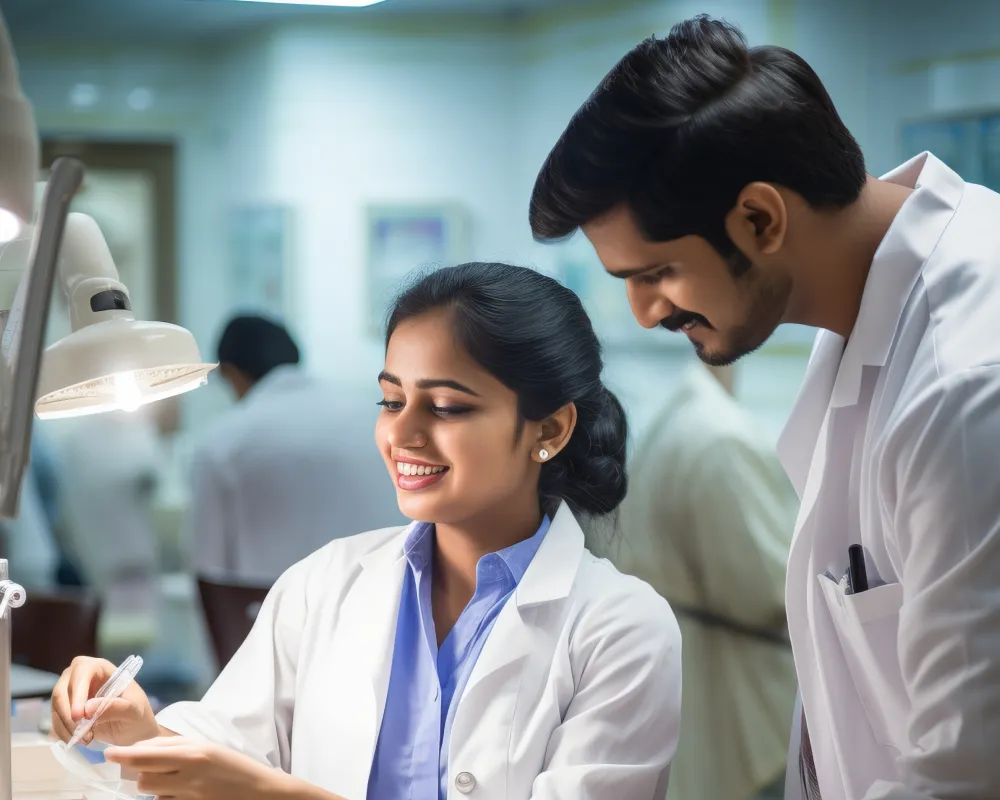
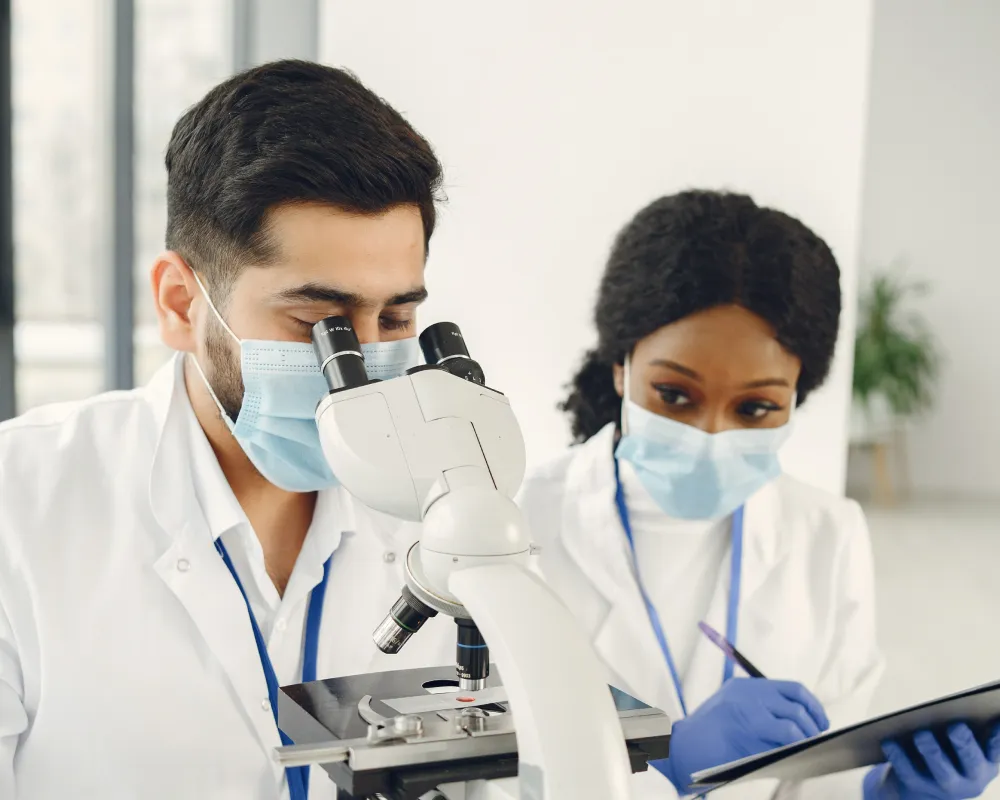
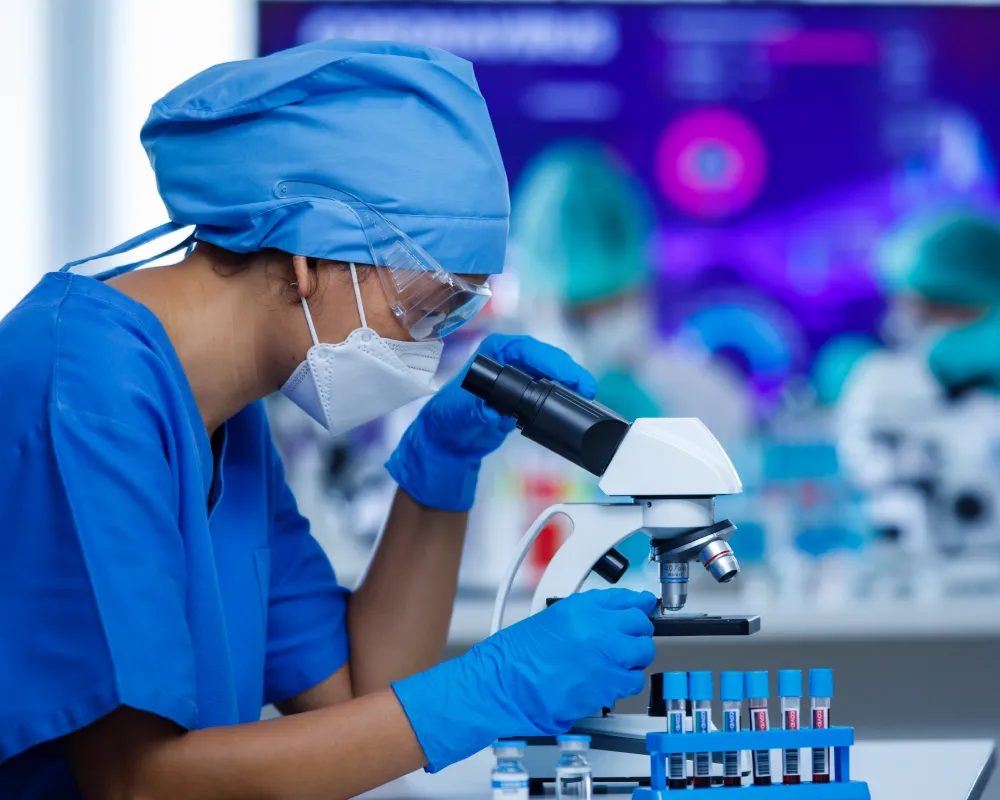
Paramedical education prepares skilled healthcare support professionals who contribute directly to patient diagnosis, treatment assistance, and clinical care services. The programs aim to build practical knowledge, technical competence, and professional discipline required to work effectively in hospitals, diagnostic centers, and specialized healthcare units. Courses such as Medical Imaging Technology, Medical Laboratory Technology, Operation Theatre Technology, Dialysis Technology, Health Inspector training, and related disciplines introduce students to essential medical support roles within the healthcare system.

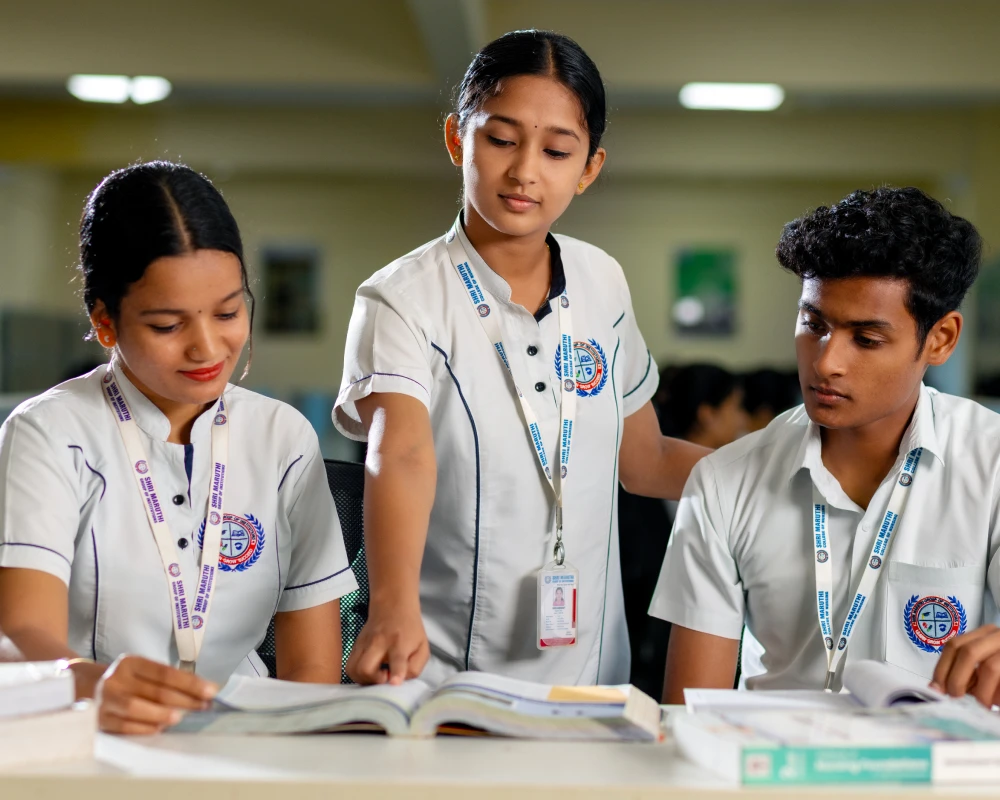
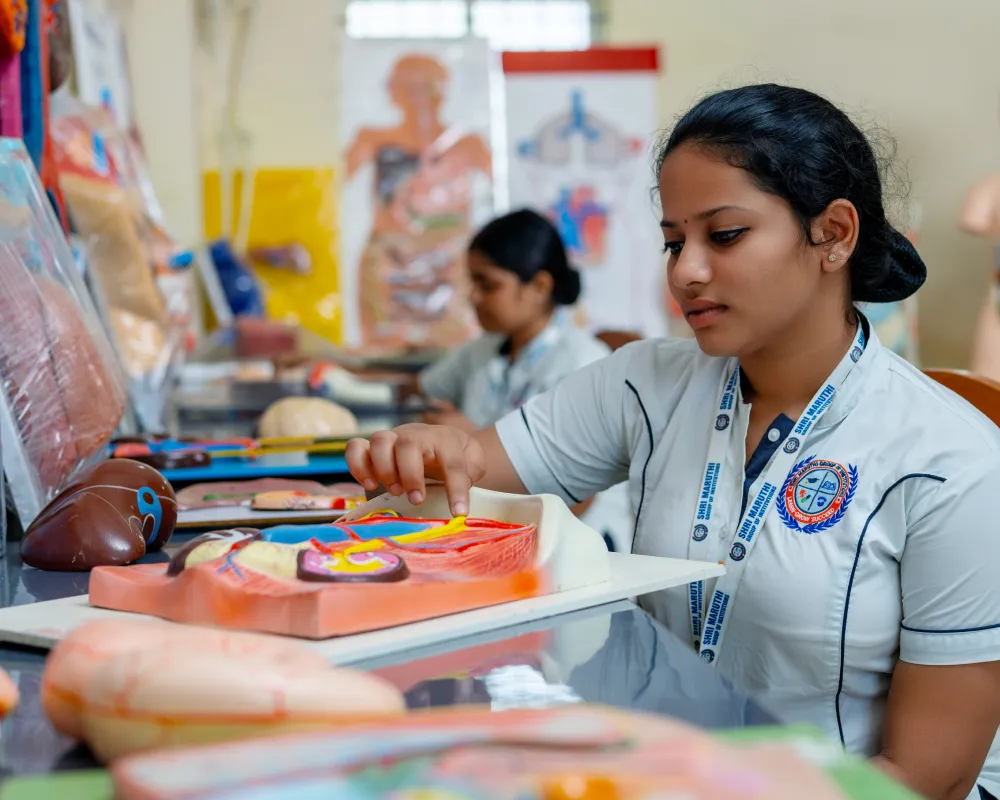
The learning approach combines foundational medical knowledge with intensive practical training. Students gain hands-on experience in laboratories, imaging units, operation theatres, and community health environments under professional supervision. Training emphasizes precision, safety standards, infection control practices, and patient care assistance, helping learners understand the importance of accuracy and teamwork in clinical settings.

As students progress, they develop confidence in handling medical equipment, supporting clinical procedures, and maintaining healthcare quality standards. The programs also encourage professional ethics, responsibility, and effective communication within multidisciplinary healthcare teams. Graduates are prepared to work in hospitals, diagnostic laboratories, rehabilitation centers, and public health services, with opportunities to build stable healthcare careers and contribute meaningfully to patient care and community wellbeing.
 

recognitions

Pharmacy Council of India – New Delhi
Karnataka Para Medical Board
RAJIV GANDHI UNIVERSITY OF HEALTH SCIENCES

Courses

DMLT

DMIT

DOT

DOTT & AT

DHI

DDT

SYLLABUS

1ST YEAR – BASIC MEDICAL & LABORATORY SCIENCES

THEORY

PRACTICAL

2ND YEAR – CORE LABORATORY TECHNOLOGY

THEORY

PRACTICAL

INTERNSHIP / PRACTICAL TRAINING

TRAINING

1ST YEAR – BASIC MEDICAL & LABORATORY SCIENCES

THEORY

PRACTICAL

2ND YEAR – CORE IMAGING TECHNOLOGY

THEORY

PRACTICAL

INTERNSHIP / PRACTICAL TRAINING

TRAINING

1ST YEAR – BASIC MEDICAL SCIENCES

THEORY

PRACTICAL

2ND YEAR – CORE OPERATION THEATRE TECHNOLOGY

THEORY

PRACTICAL

INTERNSHIP / PRACTICAL TRAINING

TRAINING

1ST YEAR – BASIC MEDICAL SCIENCES

THEORY

PRACTICAL

2ND YEAR – CORE OT & ANAESTHESIA TECHNOLOGY

THEORY

PRACTICAL

INTERNSHIP / PRACTICAL TRAINING

TRAINING

1ST YEAR – BASIC MEDICAL & PUBLIC HEALTH SCIENCES

THEORY

PRACTICAL

2ND YEAR – CORE PUBLIC HEALTH & SANITATION

THEORY

PRACTICAL

INTERNSHIP / FIELD TRAINING

TRAINING

1ST YEAR – BASIC MEDICAL SCIENCES

THEORY

PRACTICAL

2ND YEAR – CORE DIALYSIS TECHNOLOGY

THEORY

PRACTICAL

INTERNSHIP / PRACTICAL TRAINING

TRAINING

fee structure 2026-2027

COURSES

1ST YEAR

2ND YEAR

3RD YEAR

TOTAL

DMLT

(DIPLOMA IN MEDICAL LAB TECHNOLOGY)

75,000

25,000

25,000

1,25,000

DMIT

(DIPLOMA IN MEDICAL IMAGING TECHNOLOGY)

75,000

25,000

25,000

1,25,000

DOT

(DIPLOMA IN OPHTHALMIC TECHNOLOGY)

75,000

25,000

25,000

1,25,000

DOTT & AT

(DIPLOMA IN OPERATION THEATRE & ANAESTHESIA TECHNOLOGY)

75,000

25,000

25,000

1,25,000

DHI

(DIPLOMA IN HEALTH INSPECTOR)

75,000

25,000

25,000

1,25,000

DDT

(DIPLOMA IN DIALYSIS TECHNOLOGY)

75,000

25,000

25,000

1,25,000

Career Opportunities

admission process

01
Choose a Programme
02
Check Eligibility
03
View Fees
04
Apply
05
Talk to Counsellor